

Key Takeaways
- A useful feature solves a defined site or user problem; a longer option list is not proof of better performance.
- Review the door assembly, hardware and operator together when a configuration changes.
- Approve a written configuration with drawings and relevant evidence, not a product photograph alone.
Start with the problem the feature must solve
Sectional garage door features are easier to compare when the customer describes an outcome. Is the concern visibility into the garage, a ceiling obstruction, the appearance of the front elevation or access to controls? Write that need beside the proposed option. This makes it possible to tell a useful change from a decorative addition or an unsupported performance claim.
Separate appearance decisions from measurable requirements. A finish sample can help approve color and texture. It cannot establish thermal performance, wind resistance or the suitability of a complete moving assembly. Give each requirement its own evidence field and an owner who can approve it.
Match each feature to evidence and an approval step
The matrix below is a buyer's review tool, not a list of features supplied as standard. Ask the supplier to identify which options are available for the exact door type, opening and destination. Where evidence is missing, record a question rather than replacing it with a favorable assumption.
On a small screen, scroll the table sideways to read every column.
| Feature under discussion | Buyer question | Evidence or approval record |
|---|---|---|
| Panel construction and joints | What construction is proposed, and how are the sections joined? | Model specification, section detail and applicable handling instructions. |
| Windows or full-view glazing | What daylight, privacy and appearance does the customer need? | Glass description, layout drawing and an appropriate sample or visual reference. |
| Perimeter and bottom seals | Which seals and supporting surfaces form the proposed detail? | Seal profile and installation detail for the actual opening. |
| Track and mounting arrangement | Will the assembly clear the ceiling, services and other obstructions? | Dimensioned layout with headroom, side room, backroom and fixing locations. |
| Operator and controls | Which exact devices are included and compatible with this assembly? | Model list, instructions, safety-device requirements and control schedule. |
| Finish and visible hardware | Which surfaces will be visible from inside and outside? | Finish reference, hardware description and agreed sample scope. |
Review configuration changes as a complete assembly
A change to a glass layout, panel construction or mounting arrangement should trigger a review of the affected components. Do not assume that approval of one door size or drawing covers every later variation. Ask the supplier to identify what must be rechecked and provide a revised configuration reference.
Keep a short change register: original requirement, proposed change, affected drawing or document, open question and approval. This is especially useful when architectural preferences change after the first enquiry. It prevents a visual approval from being mistaken for technical acceptance of the whole door system.
Installation and adjustment belong with trained personnel working to the relevant instructions. DASMA's safety guidance reserves repairs and adjustments for trained door systems technicians. A buyer's feature review should collect the required documents and responsible parties rather than attempt mechanical adjustments.
Use a sample to answer a specific question
A sample is most useful when its approval scope is written down. A finish sample might establish an agreed visual reference under chosen viewing conditions. A section sample might help explain construction. Neither should silently become evidence for the capacity, durability or performance of an installed full-size door.
Record the sample identifier and the configuration it represents. Note any differences between the sample and the proposed supply, including glazing, surface finish or hardware. Ask for a revised reference when a change matters to the customer's decision. Confirm sample availability and arrangements with the supplier rather than assuming a standard policy.
Approve a concise configuration sheet
Before asking for a final quotation, combine the selected options into one configuration sheet per door type. Link each opening to that sheet so that quantities and variants remain traceable. Keep provisional choices visibly provisional until the responsible reviewer resolves them.
- Door type, opening reference, quantity and destination.
- Measured opening and available installation space, with drawing revision.
- Panel, glazing, finish, seal and track descriptions.
- Operator, control and safety-device model references where included.
- Evidence received, unresolved questions and the person approving each item.
- A written list of inclusions, exclusions and changes since the previous review.
FAQ
Are all sectional garage door options compatible with one another?
Do not assume so. Request a complete configuration review for the selected door, size, hardware, track and operator, including any changes from the original proposal.
Does a product image prove that a feature is included?
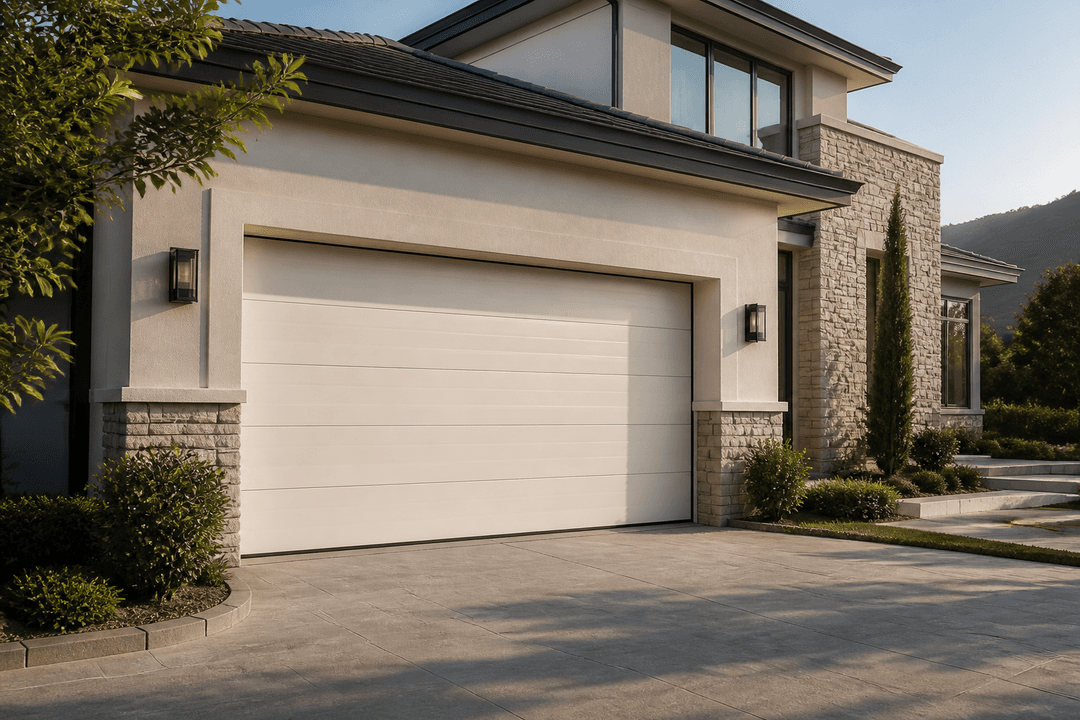
An image communicates appearance. The written configuration and agreed inclusions should establish which features are supplied; request model-specific evidence for any performance requirement.
Source Notes
The matrix and approval workflow are original buyer guidance. DASMA supports the technician responsibility statement; it does not certify any proposed SEPPES configuration.
References checked: .
Related Garage Door Products
This article is connected with the following SEPPES product directions. Open the product pages to compare structure, applications, options, and quotation inputs.
Related Industry Insights
Need a supplier discussion based on your market?
Tell us your country, project type, door quantity, preferred material, and installation conditions. SEPPES will help review a practical residential garage door configuration.
Contact SEPPES